BlinkIt – A Retail Intelligence
Structured learning project consolidating Blinkit's grocery retail data spanning product types, outlet formats, fat content, and location tiers into one filterable Power BI dashboard for sales, inventory and customer strategy teams.
Tools :
Power BI, Power Query, DAX
Dataset :
8,000+ records
Techniques :
DAX measures, KPI design, Dynamic slicers

Problem :
Blinkit's retail data across product categories, outlet formats and geographies lacked a unified view, slowing decisions around inventory planning, outlet benchmarking and customer engagement.
Approach :
Cleaned 8,000+ records, resolving inconsistencies across product attributes and outlet formats; created DAX measures for Total Sales, Average Sales, Item Count and Average Rating.
Built a dynamic METRICS slicer, toggling all visuals between 4 KPIs, simultaneously usable by both ops and strategy teams.
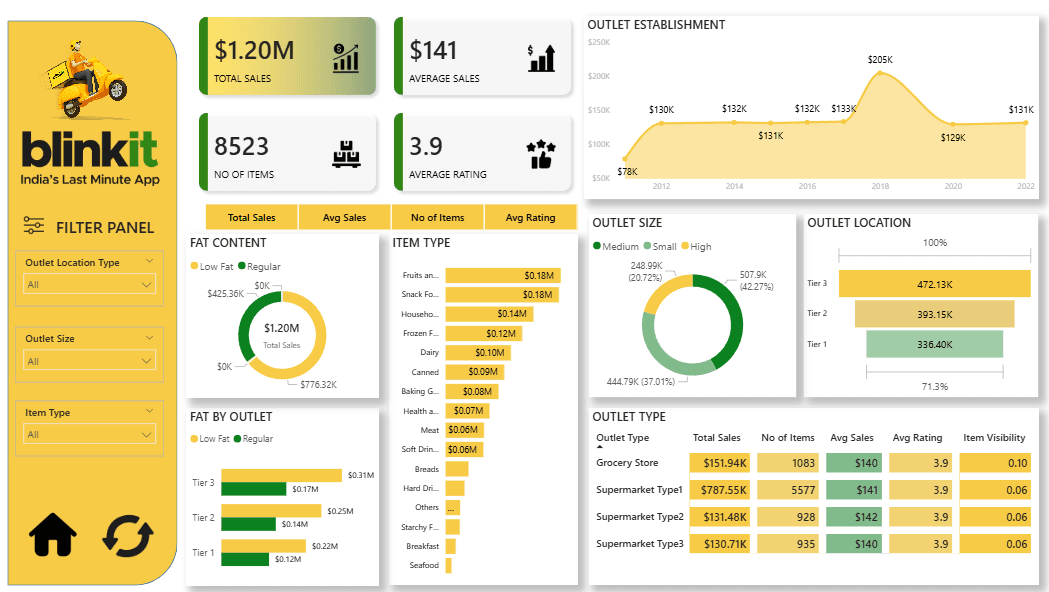
Designed KPI cards, line chart, donut charts, clustered bar, funnel chart and pivot table, each answering a specific business question.

WHAT DATA DELIVERS :
Newer outlets outperform older ones; Total Sales grew 68% from 2011 (₹78K) to 2022 (₹131K), reflecting improved expansion strategy and operational maturity.
Low Fat demand is strongest in Tier 3, not Tier 1; ₹307K vs ₹215K (43% gap), challenging the assumption that health-conscious buying is a premium-tier behaviour.
Format doesn't drive transaction value; Supermarket Type 1 and Grocery Stores show near-identical average sales (₹141 vs ₹140), suggesting other factors determine per-transaction performance.
Grocery stores carry 3x more item visibility than Supermarket Type 2 (0.10 vs 0.03); yet average sales remain equal, raising a question about whether broader catalogues convert to proportional revenue.
growth note :
Next iteration: Cohort or time-series view tracking outlet productivity across establishment years from snapshot to predictive benchmarking.
github link
More Projects
Power BI
8,000+ restaurant records
Restaurant Analysis of Swiggy
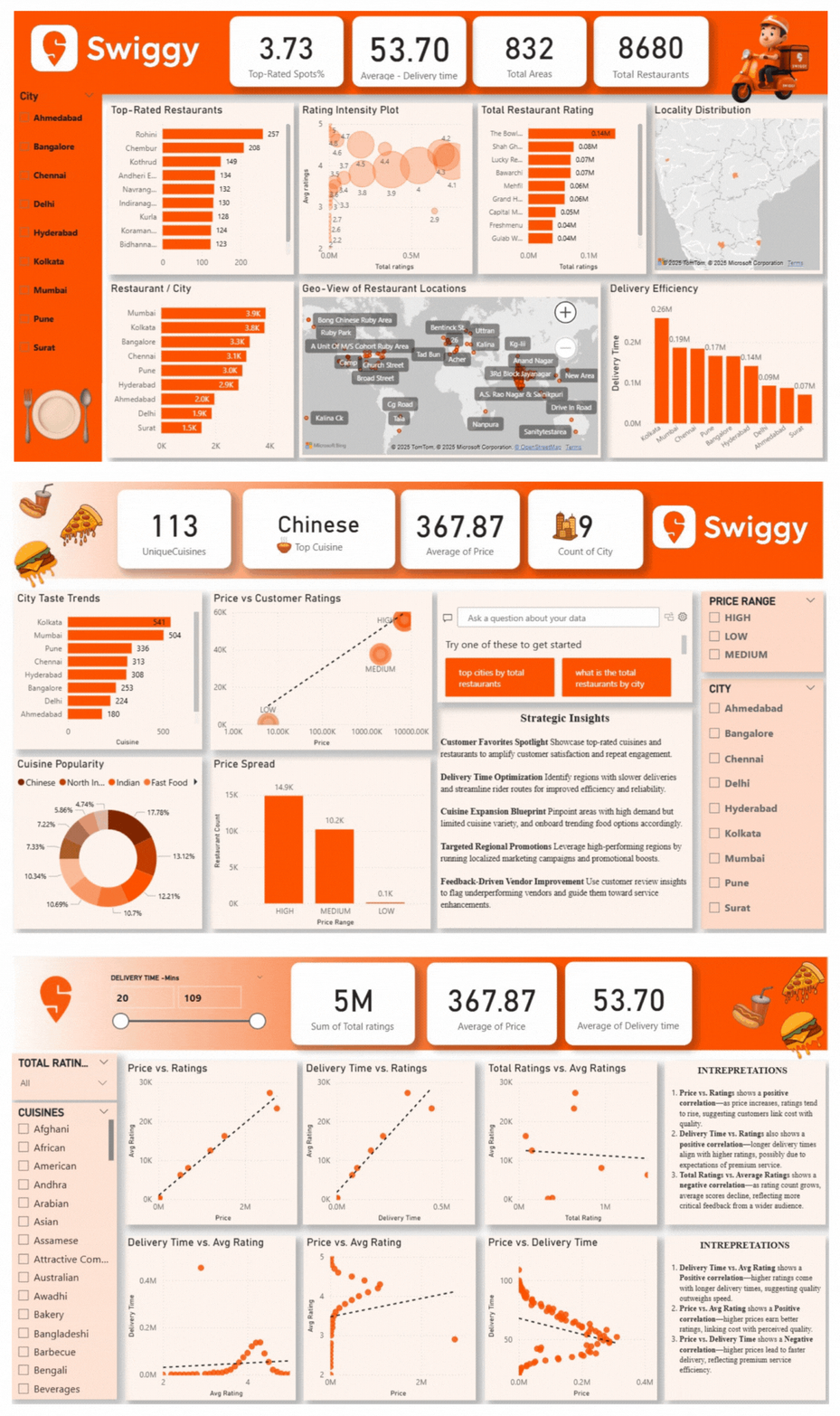
Analysed 8,680 restaurant records to reveal that only 3.73% score above 4.5, exposing a vendor quality gap across cities and cuisines.
Techniques: DAX measures, Correlation analysis, Geographical mapping
Outcome:
Delivered insights and business recommendations with direct impact on vendor strategy and delivery optimization
Power BI
6,000+ movie titles
Disney+ Hotstar Data Analysis
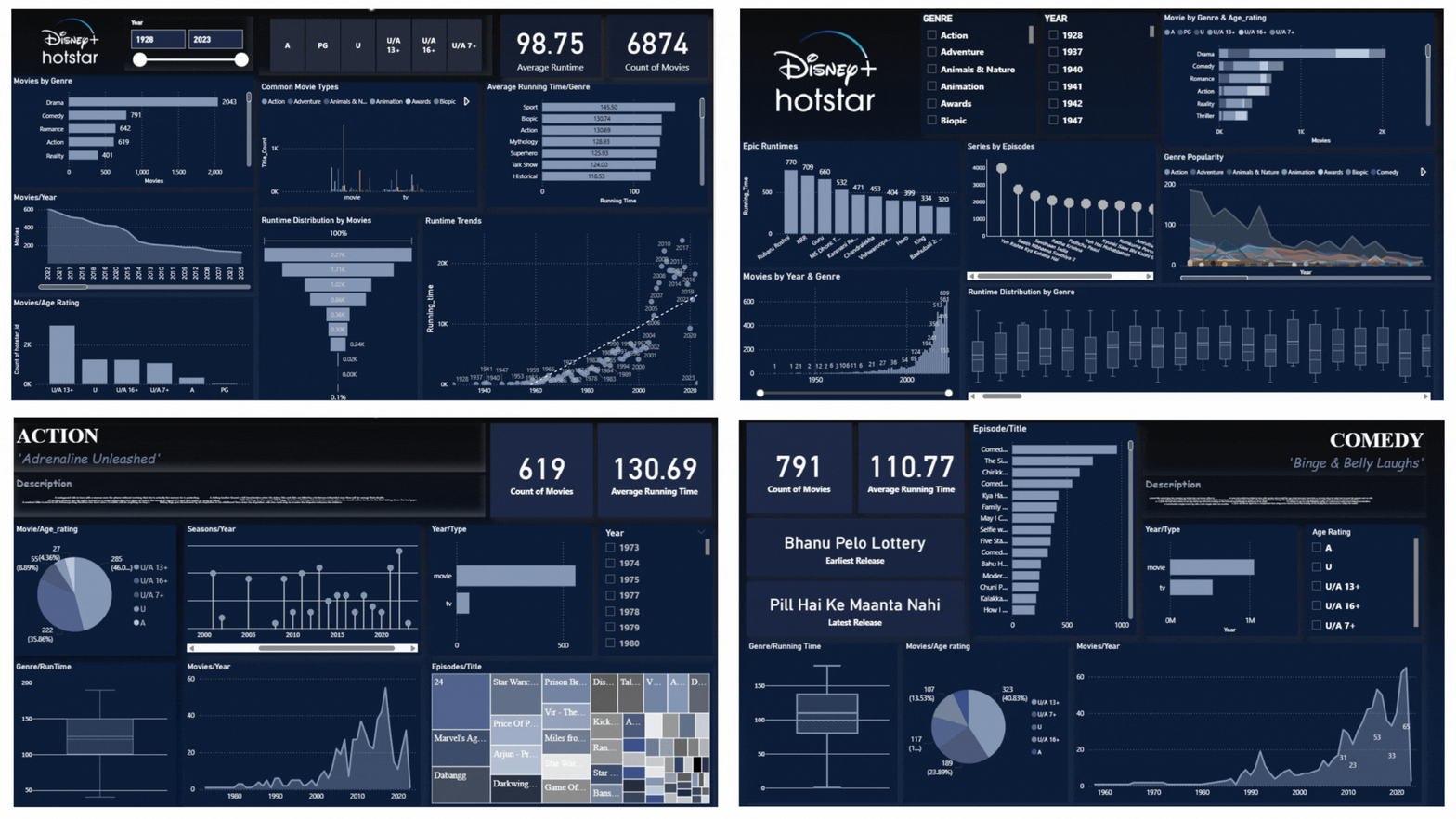
Mapped 6,874 titles across 37 genres to reveal 43% of Hotstar's catalogue targets U/A 13+, uncovering an underserved kids and family content gap.
Techniques: DAX measures, Genre segmentation, Runtime binning, Correlation analysis
Outcome:
Delivered strategic insights and recommendations impacting content strategy, marketing, and audience engagement
More Projects
Power BI
8,000+ restaurant records
Restaurant Analysis of Swiggy
Analysed 8,680 restaurant records to reveal that only 3.73% score above 4.5, exposing a vendor quality gap across cities and cuisines.
Techniques: DAX measures, Correlation analysis, Geographical mapping
Outcome:
Delivered insights and business recommendations with direct impact on vendor strategy and delivery optimization
Power BI
6,000+ movie titles
Disney+ Hotstar Data Analysis
Mapped 6,874 titles across 37 genres to reveal 43% of Hotstar's catalogue targets U/A 13+, uncovering an underserved kids and family content gap.
Techniques: DAX measures, Genre segmentation, Runtime binning, Correlation analysis
Outcome:
Delivered strategic insights and recommendations impacting content strategy, marketing, and audience engagement
More Projects
Power BI
8,000+ restaurant records
Restaurant Analysis of Swiggy
Analysed 8,680 restaurant records to reveal that only 3.73% score above 4.5, exposing a vendor quality gap across cities and cuisines.
Techniques: DAX measures, Correlation analysis, Geographical mapping
Outcome:
Delivered insights and business recommendations with direct impact on vendor strategy and delivery optimization
Power BI
6,000+ movie titles
Disney+ Hotstar Data Analysis
Mapped 6,874 titles across 37 genres to reveal 43% of Hotstar's catalogue targets U/A 13+, uncovering an underserved kids and family content gap.
Techniques: DAX measures, Genre segmentation, Runtime binning, Correlation analysis
Outcome:
Delivered strategic insights and recommendations impacting content strategy, marketing, and audience engagement
BlinkIt – A Retail Intelligence
Structured learning project consolidating Blinkit's grocery retail data spanning product types, outlet formats, fat content, and location tiers into one filterable Power BI dashboard for sales, inventory and customer strategy teams.
Tools :
Power BI, Power Query, DAX
Dataset :
8,000+ records
Techniques :
DAX measures, KPI design, Dynamic slicers
Problem :
Blinkit's retail data across product categories, outlet formats and geographies lacked a unified view, slowing decisions around inventory planning, outlet benchmarking and customer engagement.
Approach :
Cleaned 8,000+ records, resolving inconsistencies across product attributes and outlet formats; created DAX measures for Total Sales, Average Sales, Item Count and Average Rating.
Built a dynamic METRICS slicer, toggling all visuals between 4 KPIs, simultaneously usable by both ops and strategy teams.
Designed KPI cards, line chart, donut charts, clustered bar, funnel chart and pivot table, each answering a specific business question.
WHAT DATA DELIVERS :
Newer outlets outperform older ones; Total Sales grew 68% from 2011 (₹78K) to 2022 (₹131K), reflecting improved expansion strategy and operational maturity.
Low Fat demand is strongest in Tier 3, not Tier 1; ₹307K vs ₹215K (43% gap), challenging the assumption that health-conscious buying is a premium-tier behaviour.
Format doesn't drive transaction value; Supermarket Type 1 and Grocery Stores show near-identical average sales (₹141 vs ₹140), suggesting other factors determine per-transaction performance.
Grocery stores carry 3x more item visibility than Supermarket Type 2 (0.10 vs 0.03); yet average sales remain equal, raising a question about whether broader catalogues convert to proportional revenue.
growth note :
Next iteration: Cohort or time-series view tracking outlet productivity across establishment years from snapshot to predictive benchmarking.
github link
More Projects
Power BI
8,000+ restaurant records
Restaurant Analysis of Swiggy
Analysed 8,680 restaurant records to reveal that only 3.73% score above 4.5, exposing a vendor quality gap across cities and cuisines.
Techniques: DAX measures, Correlation analysis, Geographical mapping
Outcome:
Delivered insights and business recommendations with direct impact on vendor strategy and delivery optimization
Power BI
6,000+ movie titles
Disney+ Hotstar Data Analysis
Mapped 6,874 titles across 37 genres to reveal 43% of Hotstar's catalogue targets U/A 13+, uncovering an underserved kids and family content gap.
Techniques: DAX measures, Genre segmentation, Runtime binning, Correlation analysis
Outcome:
Delivered strategic insights and recommendations impacting content strategy, marketing, and audience engagement
More Projects
Power BI
8,000+ restaurant records
Restaurant Analysis of Swiggy
Analysed 8,680 restaurant records to reveal that only 3.73% score above 4.5, exposing a vendor quality gap across cities and cuisines.
Techniques: DAX measures, Correlation analysis, Geographical mapping
Outcome:
Delivered insights and business recommendations with direct impact on vendor strategy and delivery optimization
Power BI
6,000+ movie titles
Disney+ Hotstar Data Analysis
Mapped 6,874 titles across 37 genres to reveal 43% of Hotstar's catalogue targets U/A 13+, uncovering an underserved kids and family content gap.
Techniques: DAX measures, Genre segmentation, Runtime binning, Correlation analysis
Outcome:
Delivered strategic insights and recommendations impacting content strategy, marketing, and audience engagement
More Projects
Power BI
8,000+ restaurant records
Restaurant Analysis of Swiggy
Analysed 8,680 restaurant records to reveal that only 3.73% score above 4.5, exposing a vendor quality gap across cities and cuisines.
Techniques: DAX measures, Correlation analysis, Geographical mapping
Outcome:
Delivered insights and business recommendations with direct impact on vendor strategy and delivery optimization
Power BI
6,000+ movie titles
Disney+ Hotstar Data Analysis
Mapped 6,874 titles across 37 genres to reveal 43% of Hotstar's catalogue targets U/A 13+, uncovering an underserved kids and family content gap.
Techniques: DAX measures, Genre segmentation, Runtime binning, Correlation analysis
Outcome:
Delivered strategic insights and recommendations impacting content strategy, marketing, and audience engagement
BlinkIt – A Retail Intelligence
Structured learning project consolidating Blinkit's grocery retail data spanning product types, outlet formats, fat content, and location tiers into one filterable Power BI dashboard for sales, inventory and customer strategy teams.
Tools :
Power BI, Power Query, DAX
Dataset :
8,000+ records
Techniques :
DAX measures, KPI design, Dynamic slicers
Problem :
Blinkit's retail data across product categories, outlet formats and geographies lacked a unified view, slowing decisions around inventory planning, outlet benchmarking and customer engagement.
Approach :
Cleaned 8,000+ records, resolving inconsistencies across product attributes and outlet formats; created DAX measures for Total Sales, Average Sales, Item Count and Average Rating.
Built a dynamic METRICS slicer, toggling all visuals between 4 KPIs, simultaneously usable by both ops and strategy teams.
Designed KPI cards, line chart, donut charts, clustered bar, funnel chart and pivot table, each answering a specific business question.
WHAT DATA DELIVERS :
Newer outlets outperform older ones; Total Sales grew 68% from 2011 (₹78K) to 2022 (₹131K), reflecting improved expansion strategy and operational maturity.
Low Fat demand is strongest in Tier 3, not Tier 1; ₹307K vs ₹215K (43% gap), challenging the assumption that health-conscious buying is a premium-tier behaviour.
Format doesn't drive transaction value; Supermarket Type 1 and Grocery Stores show near-identical average sales (₹141 vs ₹140), suggesting other factors determine per-transaction performance.
Grocery stores carry 3x more item visibility than Supermarket Type 2 (0.10 vs 0.03); yet average sales remain equal, raising a question about whether broader catalogues convert to proportional revenue.
growth note :
Next iteration: Cohort or time-series view tracking outlet productivity across establishment years from snapshot to predictive benchmarking.
github link
More Projects
Power BI
8,000+ restaurant records
Restaurant Analysis of Swiggy
Analysed 8,680 restaurant records to reveal that only 3.73% score above 4.5, exposing a vendor quality gap across cities and cuisines.
Techniques: DAX measures, Correlation analysis, Geographical mapping
Outcome:
Delivered insights and business recommendations with direct impact on vendor strategy and delivery optimization
Power BI
6,000+ movie titles
Disney+ Hotstar Data Analysis
Mapped 6,874 titles across 37 genres to reveal 43% of Hotstar's catalogue targets U/A 13+, uncovering an underserved kids and family content gap.
Techniques: DAX measures, Genre segmentation, Runtime binning, Correlation analysis
Outcome:
Delivered strategic insights and recommendations impacting content strategy, marketing, and audience engagement
More Projects
Power BI
8,000+ restaurant records
Restaurant Analysis of Swiggy
Analysed 8,680 restaurant records to reveal that only 3.73% score above 4.5, exposing a vendor quality gap across cities and cuisines.
Techniques: DAX measures, Correlation analysis, Geographical mapping
Outcome:
Delivered insights and business recommendations with direct impact on vendor strategy and delivery optimization
Power BI
6,000+ movie titles
Disney+ Hotstar Data Analysis
Mapped 6,874 titles across 37 genres to reveal 43% of Hotstar's catalogue targets U/A 13+, uncovering an underserved kids and family content gap.
Techniques: DAX measures, Genre segmentation, Runtime binning, Correlation analysis
Outcome:
Delivered strategic insights and recommendations impacting content strategy, marketing, and audience engagement
More Projects
Power BI
8,000+ restaurant records
Restaurant Analysis of Swiggy
Analysed 8,680 restaurant records to reveal that only 3.73% score above 4.5, exposing a vendor quality gap across cities and cuisines.
Techniques: DAX measures, Correlation analysis, Geographical mapping
Outcome:
Delivered insights and business recommendations with direct impact on vendor strategy and delivery optimization
Power BI
6,000+ movie titles
Disney+ Hotstar Data Analysis
Mapped 6,874 titles across 37 genres to reveal 43% of Hotstar's catalogue targets U/A 13+, uncovering an underserved kids and family content gap.
Techniques: DAX measures, Genre segmentation, Runtime binning, Correlation analysis
Outcome:
Delivered strategic insights and recommendations impacting content strategy, marketing, and audience engagement